Silica Sand Wet Screening: How to Specify the Aperture
A polyurethane fine screen opening is a purchasing dimension. The separation achieved in a silica sand circuit also depends on feed and operating conditions, so aperture selection should start with process data.
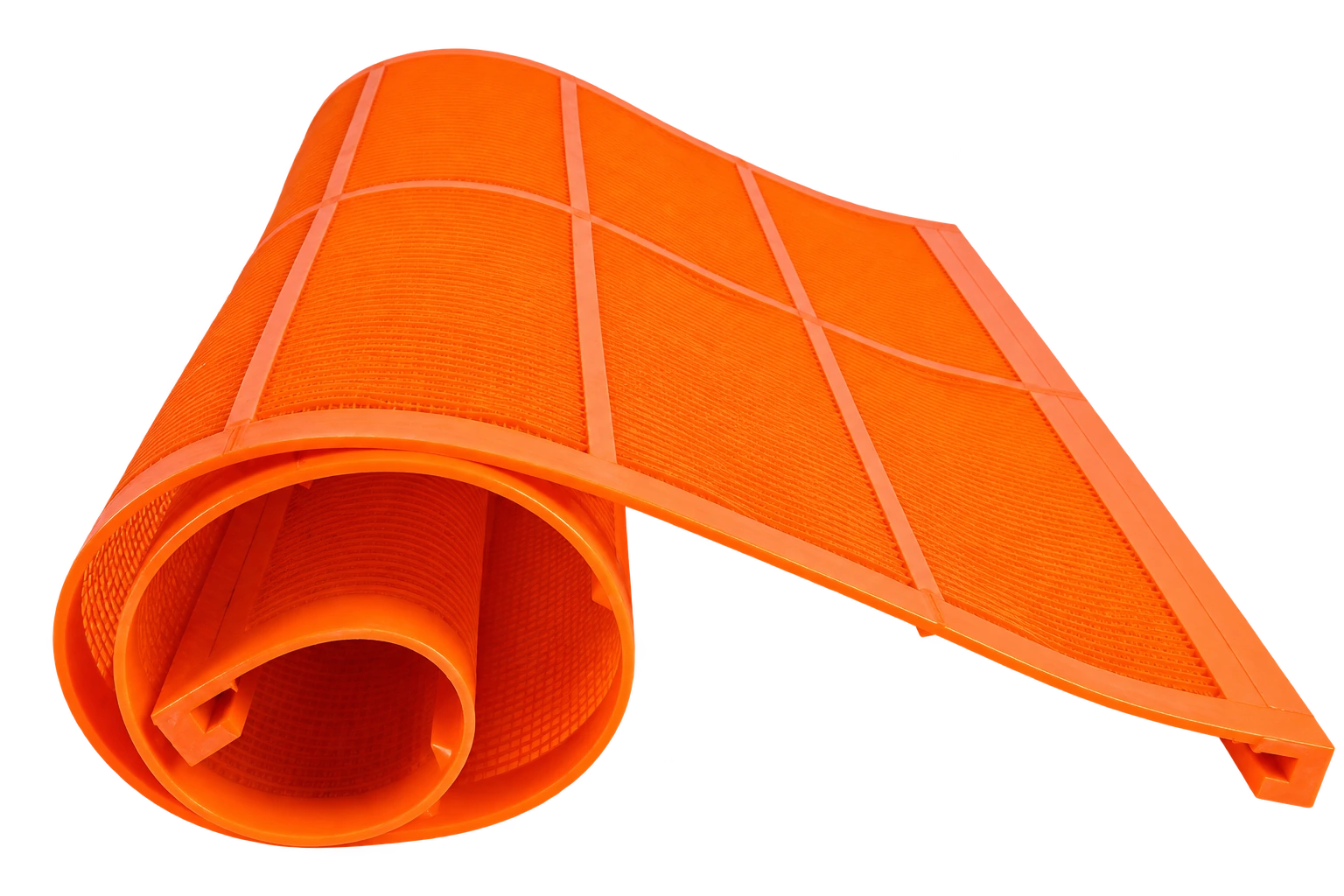
Describe the separation task
State which size fraction must be retained or removed and provide the feed and target product particle-size distributions. Explain whether the stage is classification, removal of coarse particles or preparation for a later process. A target cut should not be assumed to equal the nominal slot.
Record the wet feed conditions
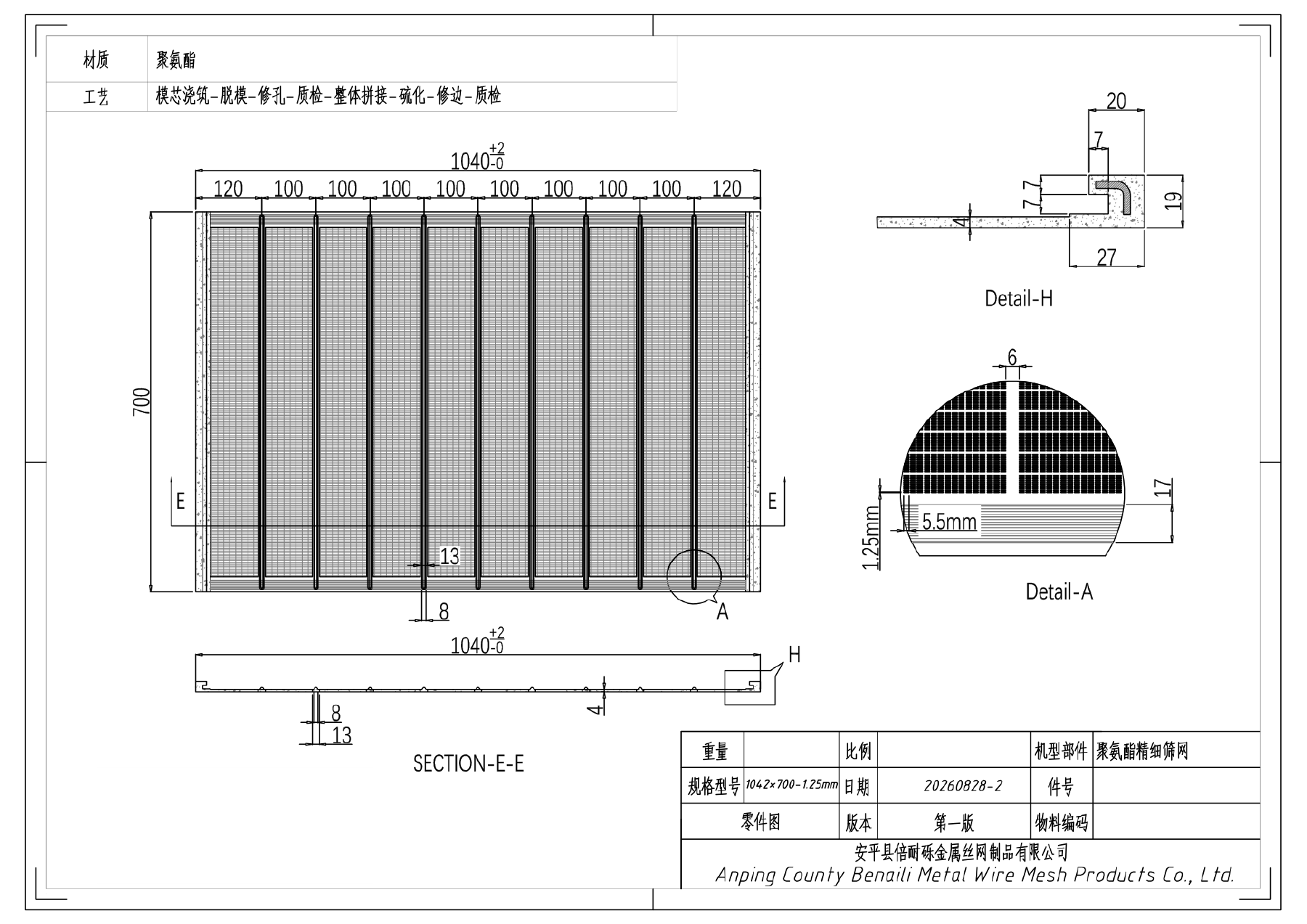
Share solids feed rate, slurry concentration or water flow, particle distribution and the amount of near-size material. Include the screen model, deck arrangement and mounting dimensions. Changes in water or feed conditions can change the observed separation.
Use opening examples carefully
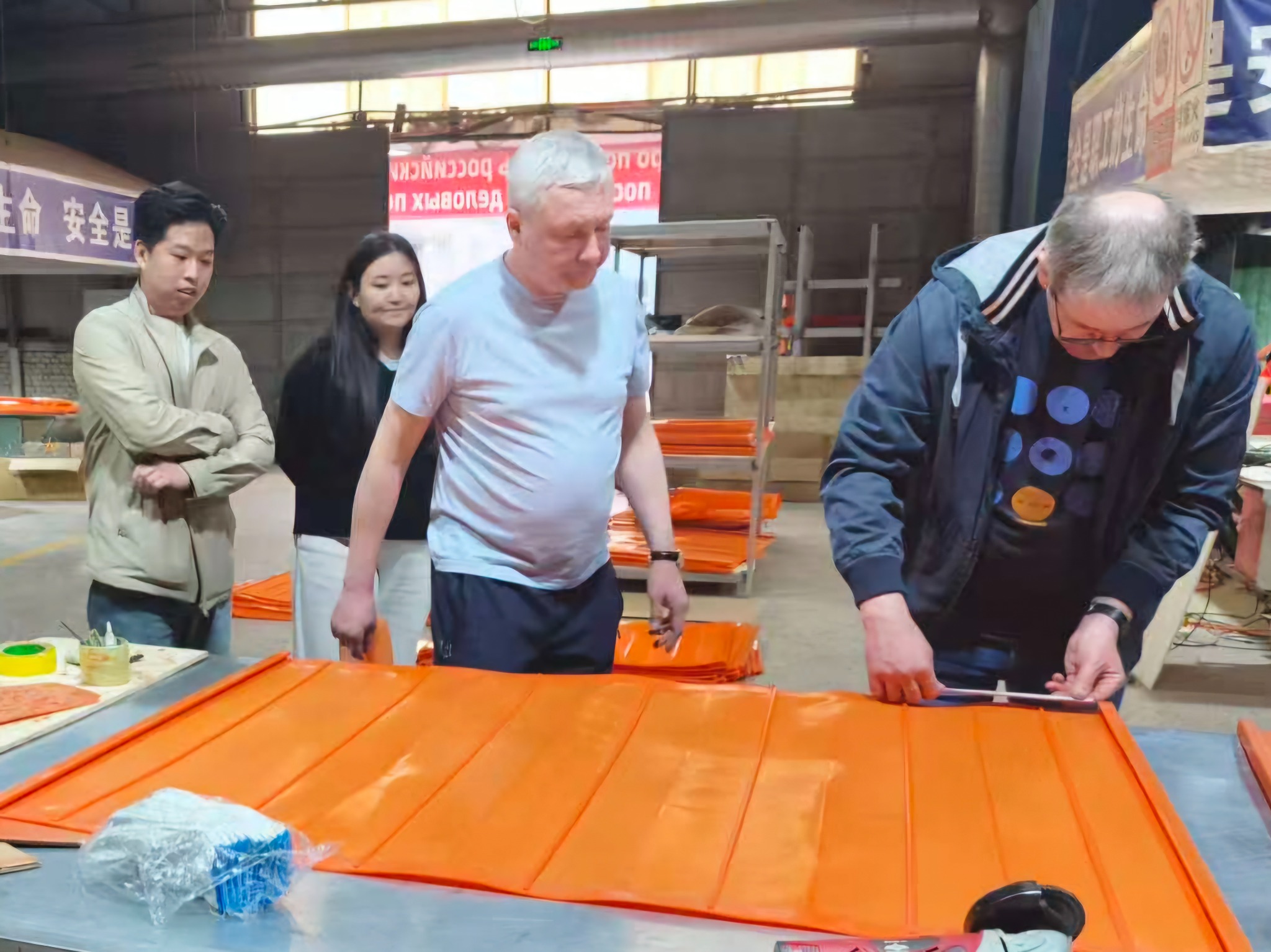
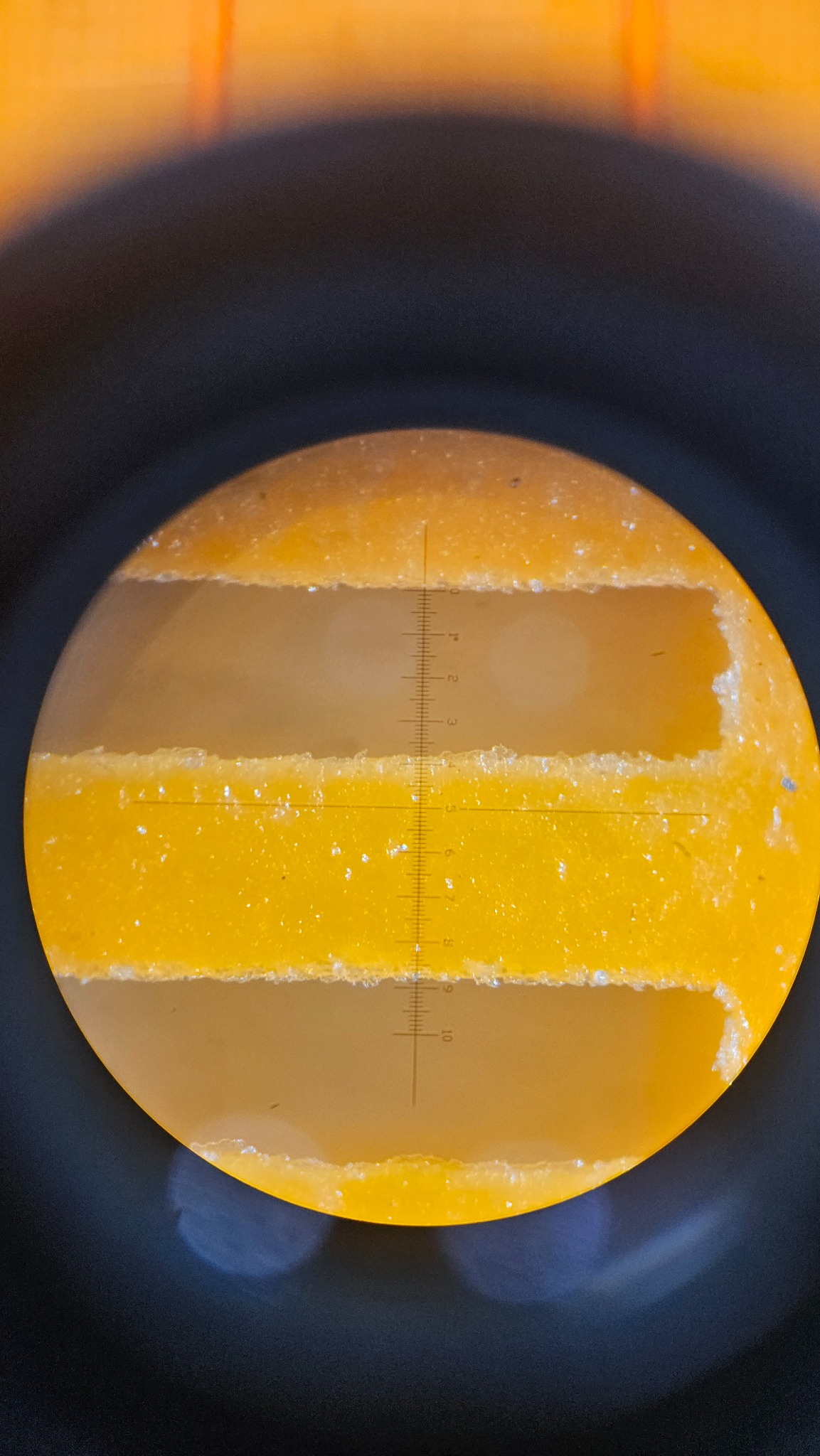
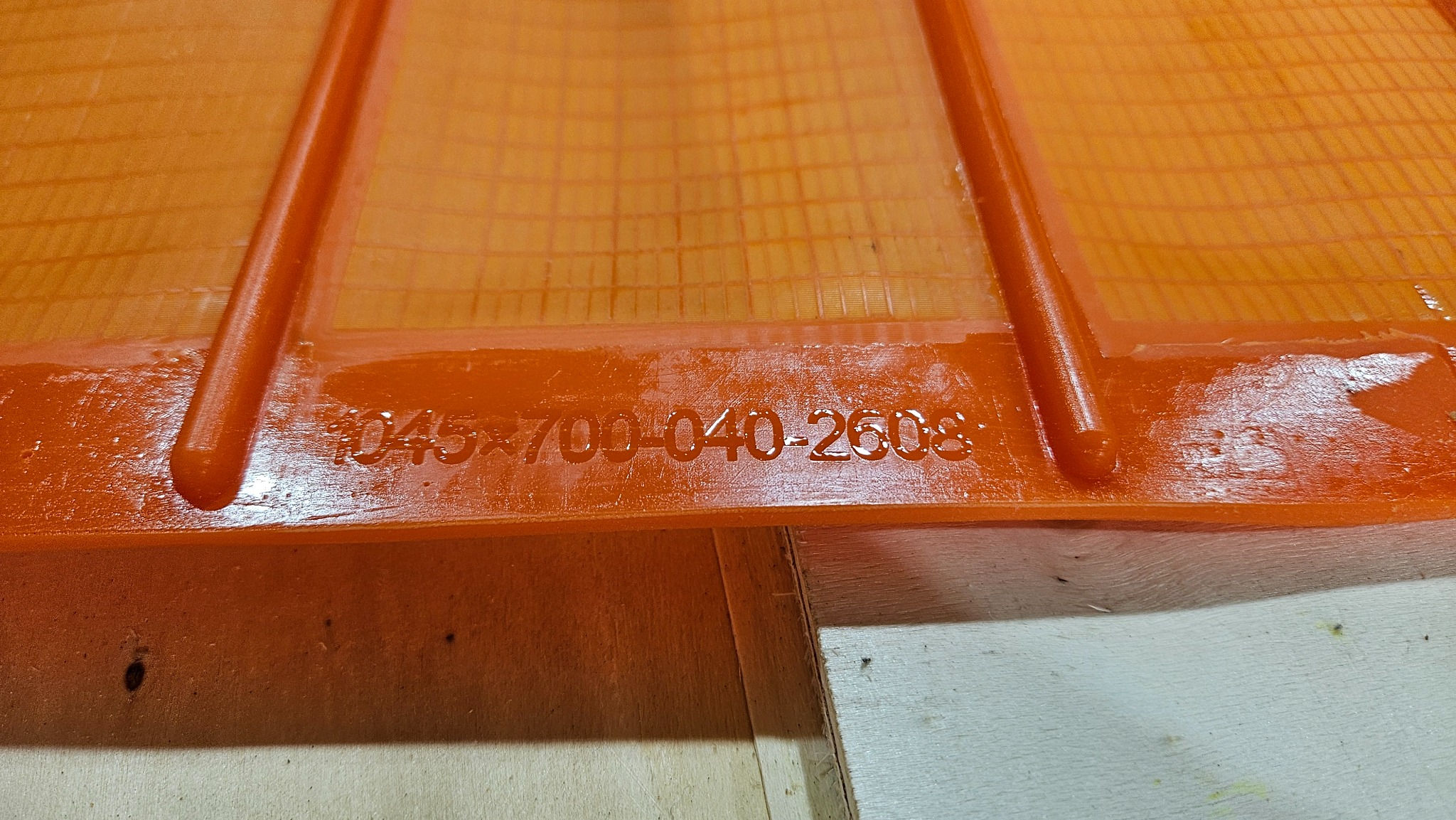
BENAILI lists fine screen openings from 0.053 to 2.5 mm; availability of a specific size and panel combination requires tooling confirmation. A 0.18 mm slot is 180 μm and a 0.40 mm slot is 400 μm. These are dimension examples, not universal recommendations for silica sand.
Validate with a controlled trial
Agree a trial panel specification and record operating conditions when sampling both products. Compare particle-size distributions, throughput and blockage observations against the actual target. Keep a trial record before deciding on a batch order; do not assume a guaranteed efficiency or service life from aperture alone.