Russian Customers Visit BENAILI to Discuss Polyurethane Fine Screens
In late March 2026, customers from Russia visited BENAILI for an on-site exchange about polyurethane fine screen panels. Workshop viewing, sample review and face-to-face discussion provided a practical basis for understanding panel construction and clarifying technical requirements.
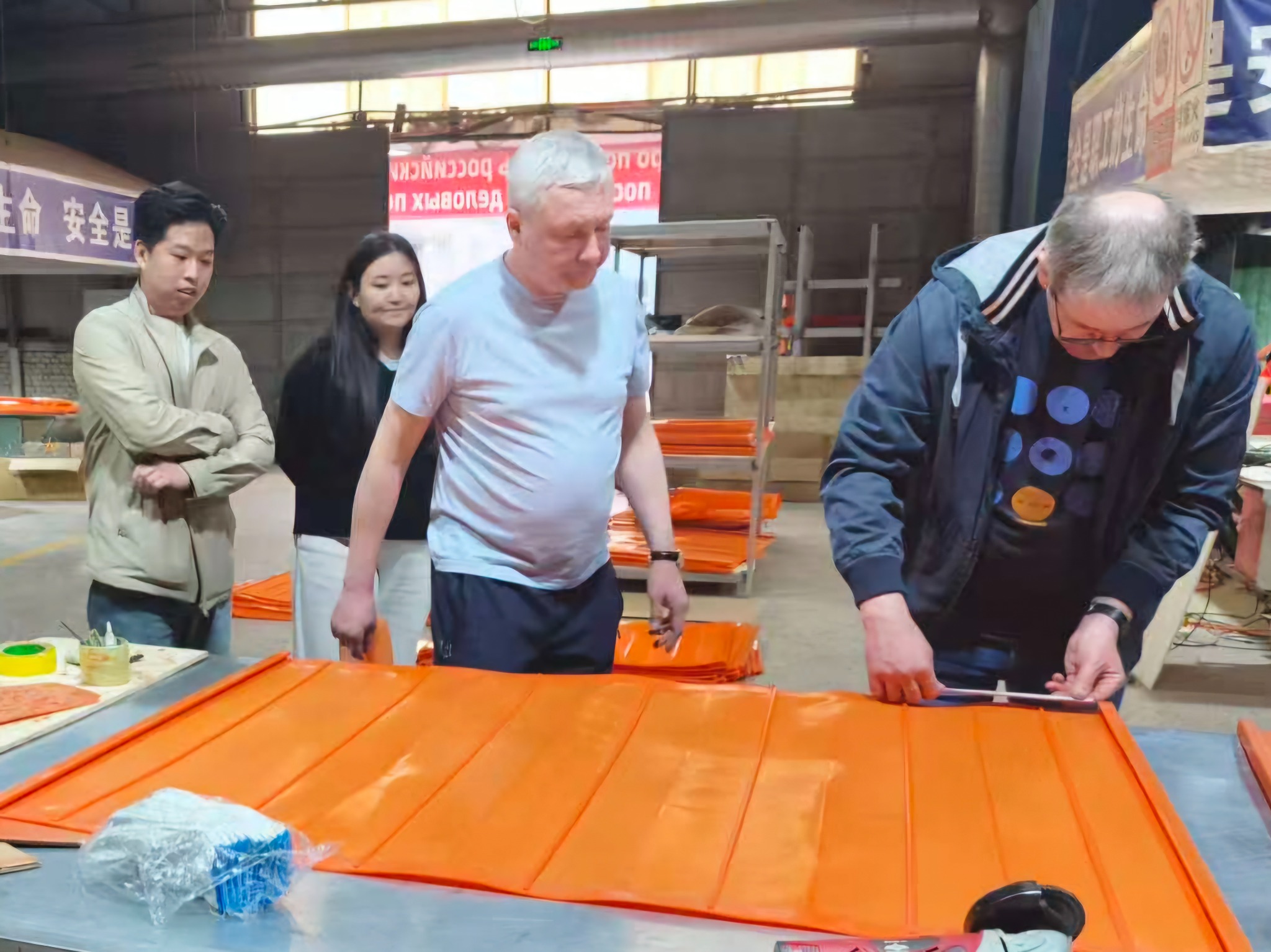
Workshop viewing: from the panel to its mounting details
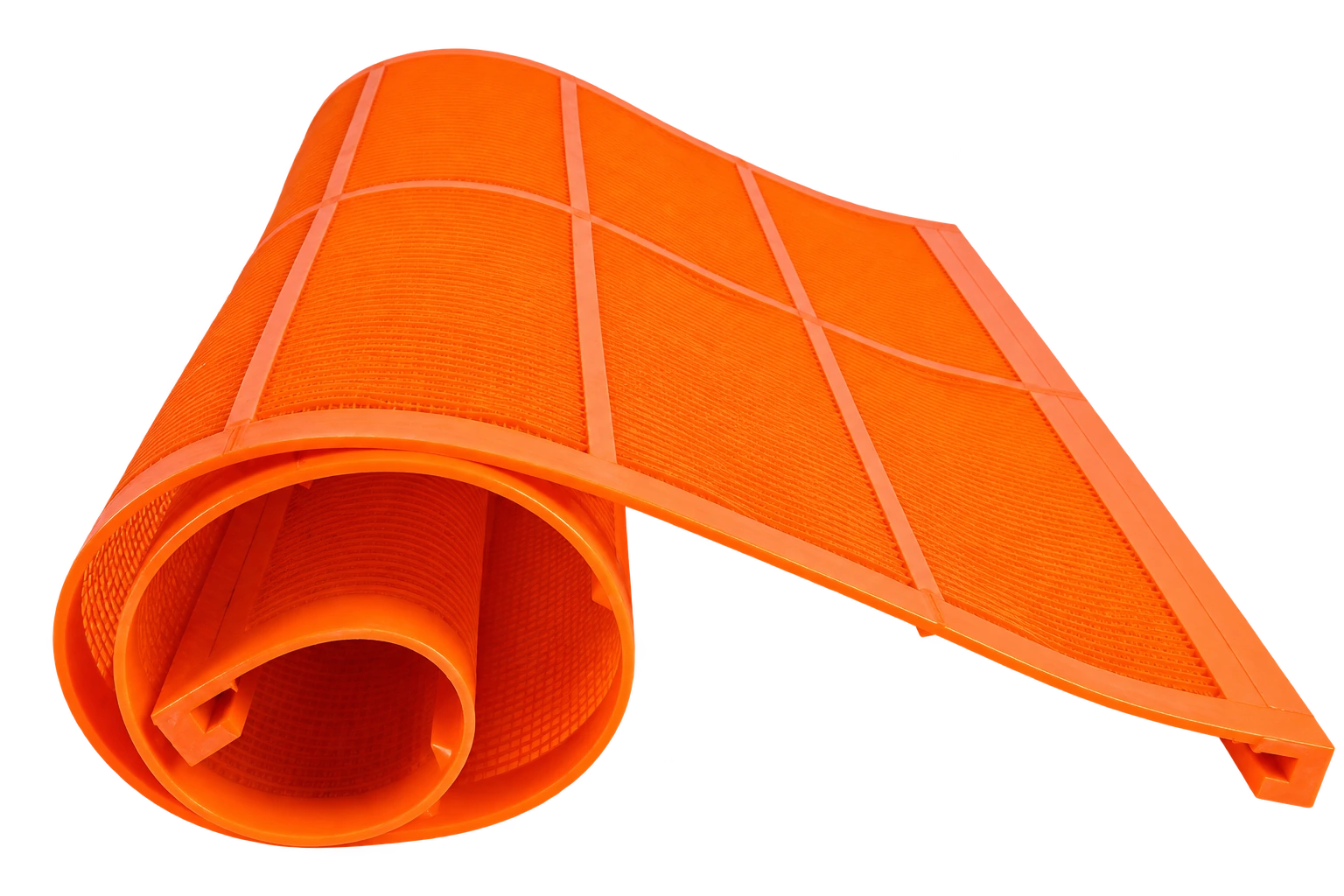
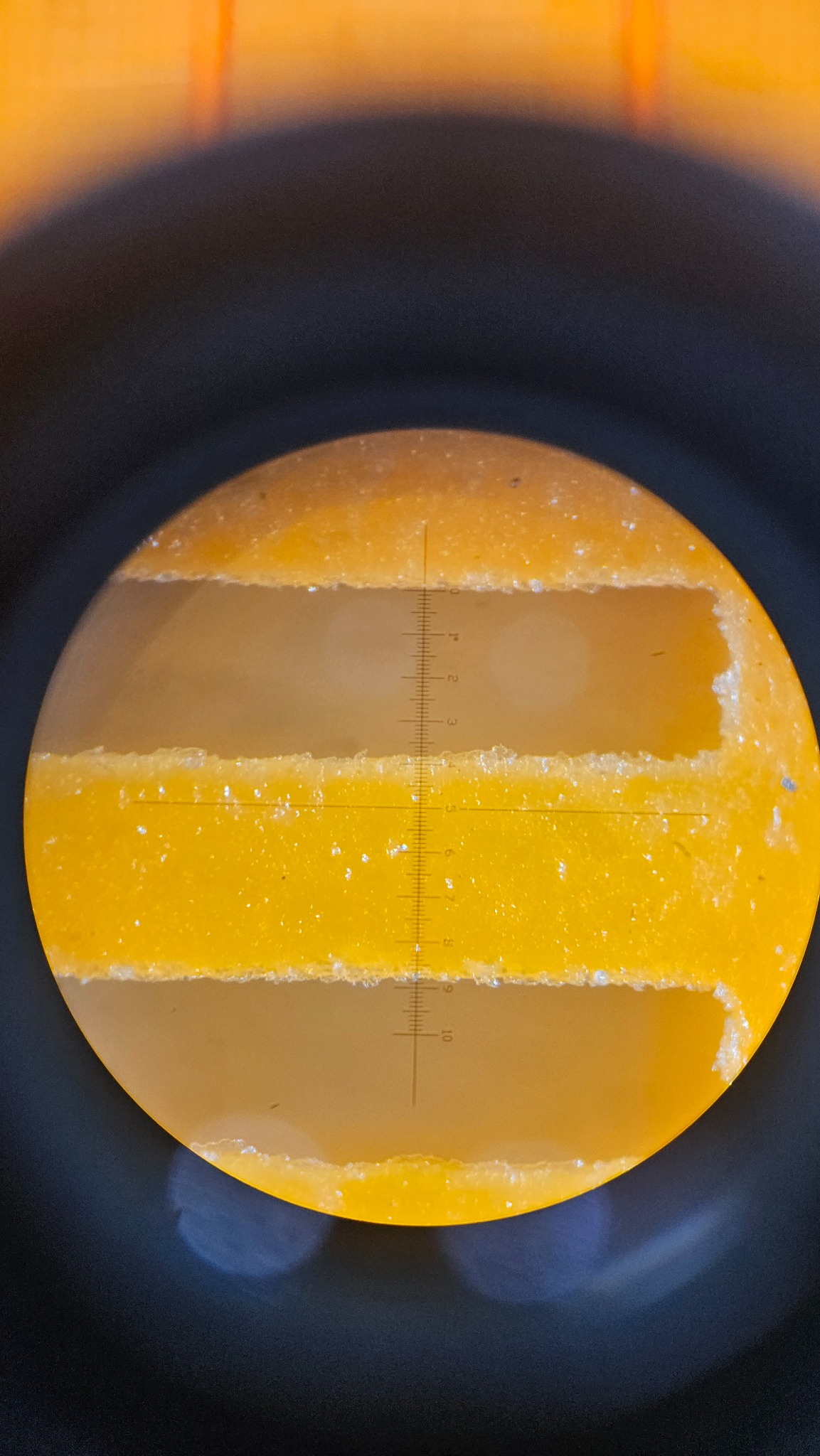
In the workshop, the visitors examined a polyurethane fine screen panel and used a measuring tool at its edge. For fine screens used on high-frequency vibrating equipment, photographs and specification sheets begin the conversation. Seeing the product in person makes the working face, frame, reinforcement and mounting features easier to understand.
A replacement specification needs more than length and width
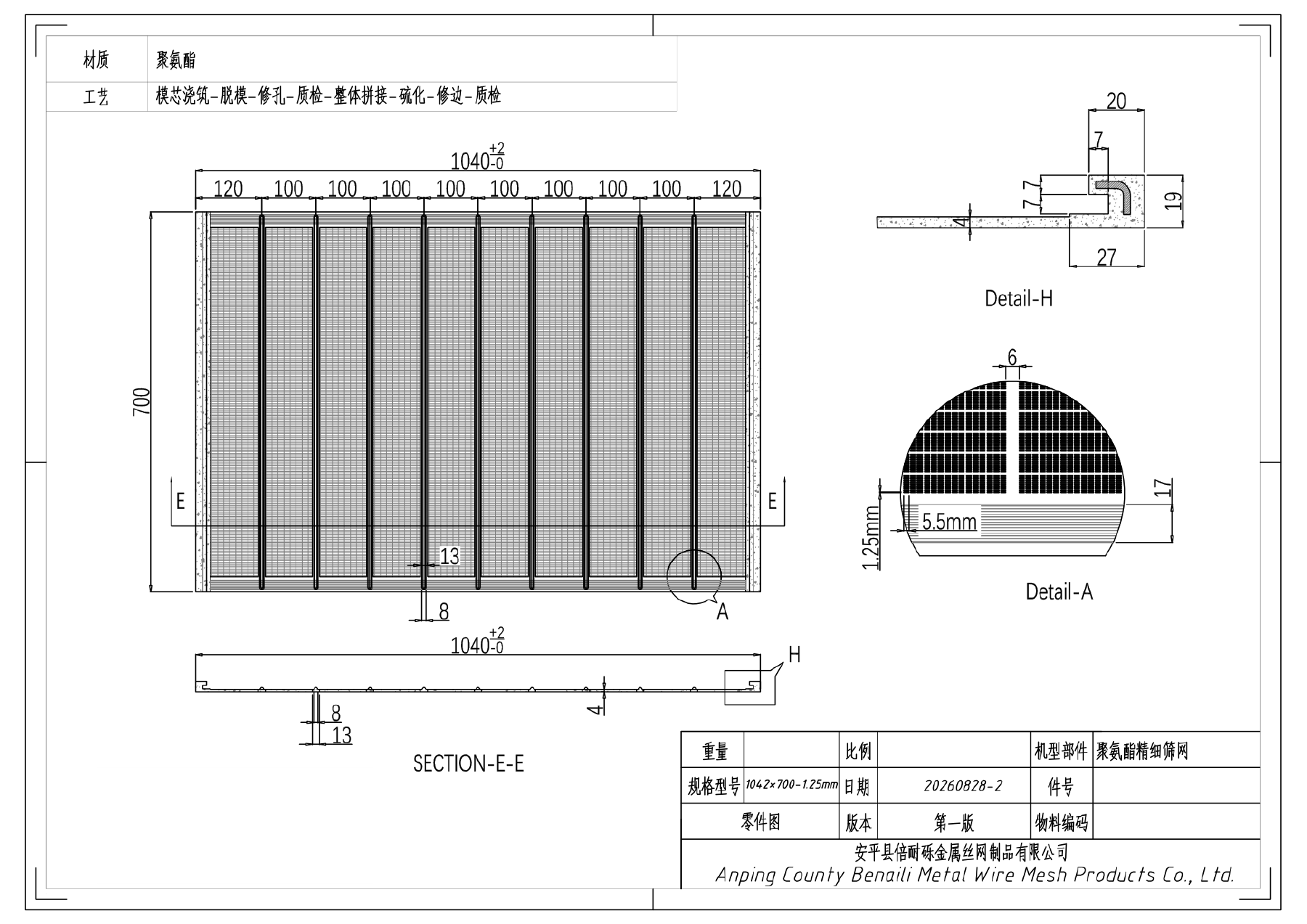
Replacement selection should also cover the hook cross-section, mounting engagement, support layout and relevant tolerances. Two panels with similar outlines may not be interchangeable if their mounting profiles differ. Fit must therefore be checked against the equipment installation data, customer drawing or existing sample.
Using samples to clarify technical requirements
The discussion continued around polyurethane fine screen samples in the meeting room. Physical samples help buyers and suppliers relate a description to the actual construction. For an order, opening size, working-face thickness, mounting dimensions, reinforcement and material requirements should be documented. Fine-slot acceptance also needs agreed limits, inspection methods and sampling requirements. On-site viewing and dimensional checks are part of technical communication; order conformity is assessed against the agreed drawing and inspection criteria.
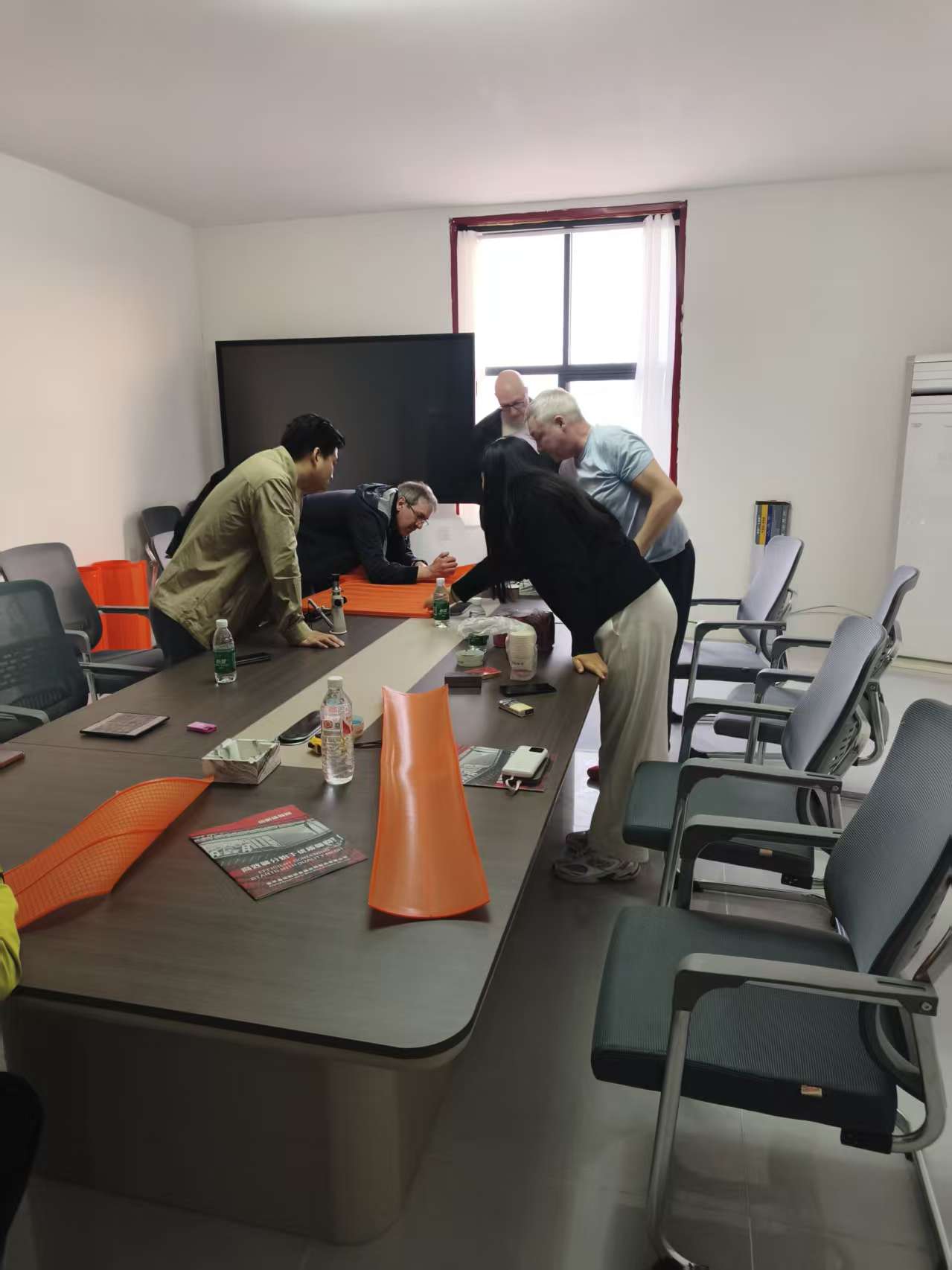
From an inquiry to a build-to-drawing order
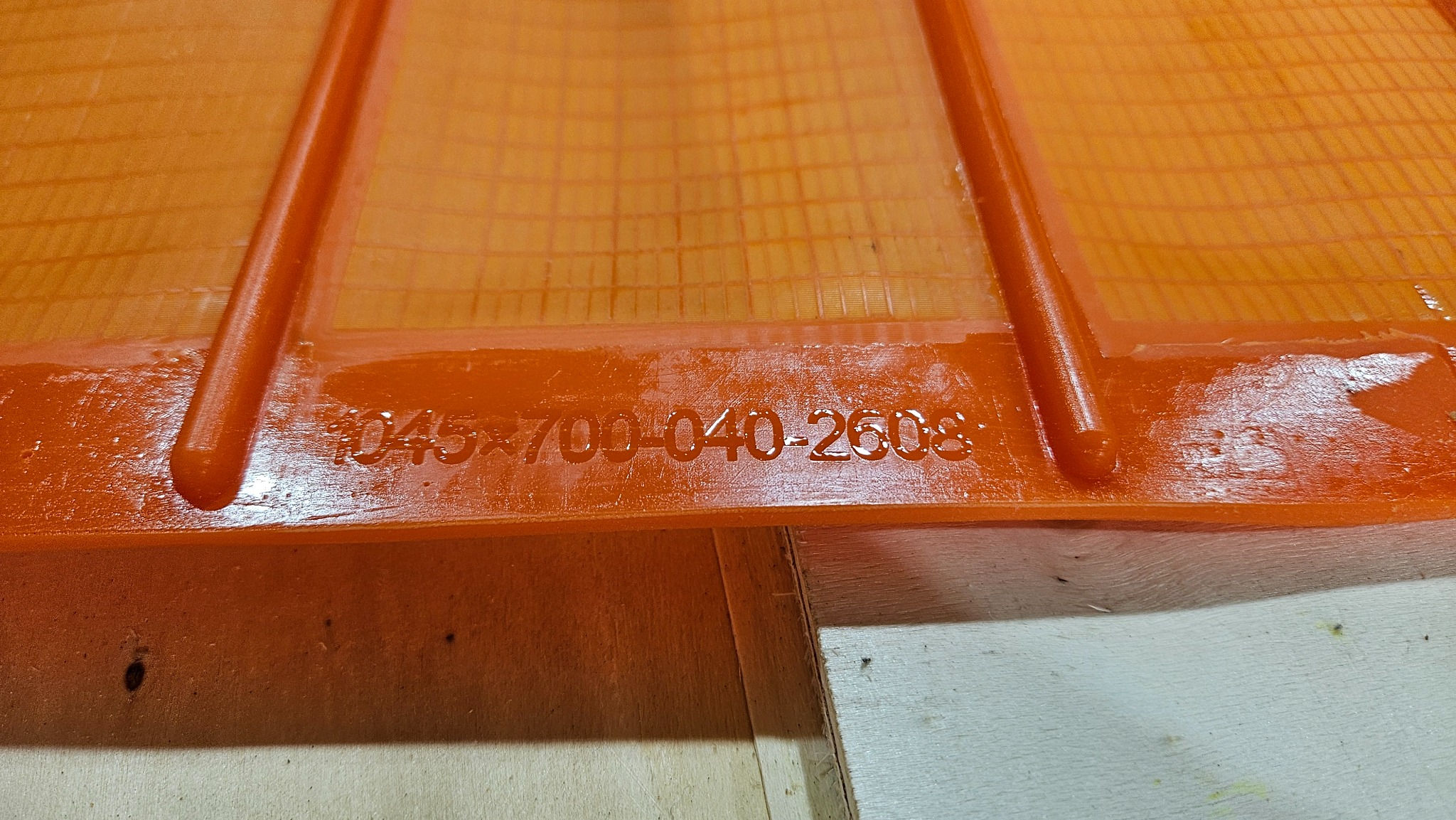
BENAILI offers custom polyurethane fine screen panels for equipment makers, parts suppliers and screening media distributors. Customers can provide mounting drawings, an existing panel sample and operating data to confirm panel geometry, openings and fastening. For a new specification, drawing approval followed by a sample or small trial order helps establish installation and operating requirements before batch supply. Customer marking, specification marking and export packing can also be arranged to confirmed requirements. This visit provided a direct opportunity for product communication, supporting a process that turns samples, drawings and application details into a clear manufacturing specification.